
Cataract Surgery with Vision Correction
Vision Correction may be added to cataract surgery for those patients who are interested in reducing the need for glasses after cataract surgery. Vision Correction is helpful to reduce the need for glasses because standard cataract surgery alone is intended only to improve the ability to see with glasses.
When you choose cataract surgery with Vision Correction, we use additional state-of-the-art technology that can actually transform your vision. Our surgeons use these tools, including advanced technology intraocular lenses, to address astigmatism, nearsightedness, farsightedness, and the need for reading glasses. Relative to standard insurance-covered surgery, this option offers more accuracy, expands the range of clear vision and reduces dependence on glasses.
Our physicians will use these advanced technologies to determine the best surgical treatment based on your desired outcome, lifestyle and vision preferences.
While standard cataract surgery is an insurance-covered benefit designed to help you see better with glasses, Vision Correction is not considered “medically necessary” and therefore, is not covered by insurance. We will go over the financial options with you to help you make an informed decision and answer your questions.
For additional information on cataract surgery, Vision Correction and options that fit your lifestyle, please contact one of our clinics for an evaluation.
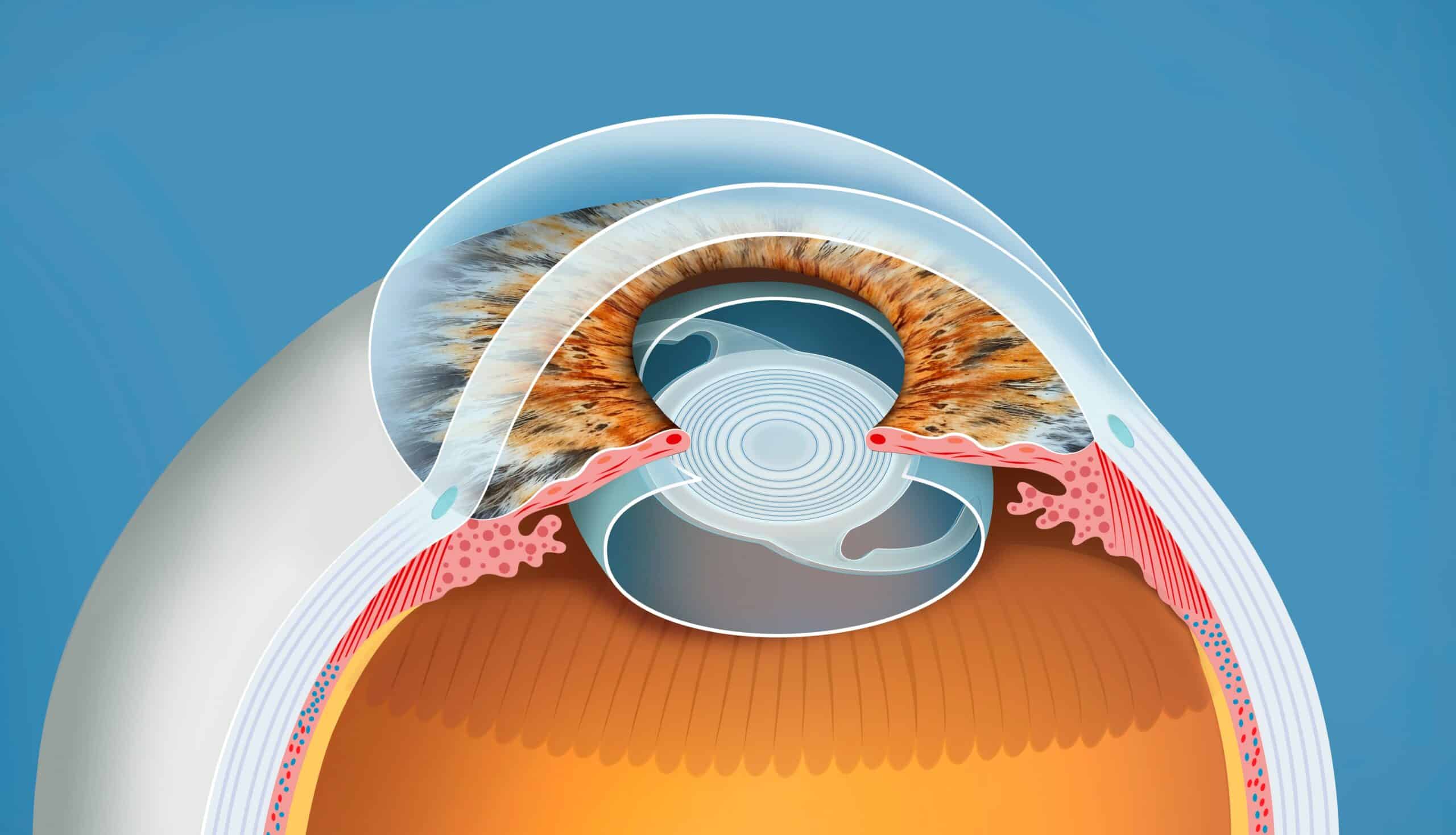
Considerations for Your IOL Choice
Vision Correction includes the use of advanced technology that is designed to reduce the need for glasses after surgery. Different patients often need different technology to meet their vision goals. Your surgeon will determine which technology is best for your vision needs. Some of the available technology is listed below.
Advanced Technology Lenses
Intraocular lens implants (IOLs) offer an enhanced range of vision for patients who need cataract surgery or refractive lens exchange.
Each type of lens has its own merits, so your surgeon can recommend the best lens implant for you, depending on your lifestyle needs.

Monofocal
Single vision, or monofocal, lens implants offer a single fixed focal length. This means that you can choose whether you want your distance or near vision to be clearest when you are not wearing glasses after surgery. However, you may still need glasses for both distance and near to get the best vision after having a monofocal lens placed.

Extended Focus
Presbyopia correcting lens implants have multiple or extended focal lengths. This means that a person can see better for both distance and near vision. There is additional cost for these lenses not covered by insurance.

Toric
If the shape of the cornea is imperfect, it creates a natural blur or misfocus called astigmatism. Astigmatism is a refractive error that causes blurry vision. For patients with astigmatism, astigmatism correction can be put into the lens implant instead. This is something easily incorporated into each of the three lens implant categories. Any lens containing astigmatism correction is called a toric lens. There is additional cost for these lenses not covered by insurance.
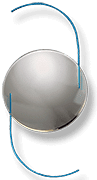
Light Adjustable Lens
RxSight™ Light Adjustable Lenses (LAL) provide your surgeons the option to further customize your vision after surgery. This advanced technology lens is made of photo sensitive material that adjusts when exposed to UV light. After surgery, your surgeon can apply UV light to the lens in order to refine and tailor your final visual result. Visit RxSight.com to learn more about this technology.
FAQs for Patients and Healthcare Professionals or download Patient LAL Brochure or UV Glasses Brochure
Currently offered at our Mount Vernon or Seattle Northgate surgery locations. Please contact these clinics for more information.
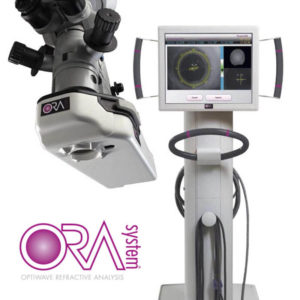
Optiwave Refractive Analysis
The Optiwave Refractive Analysis (ORA) system allows our surgeons to make sure that you have your best vision correction outcome.
This system uses three cameras on our viewing microscope and sophisticated computer software to take measurements of your eye during surgery. This helps our surgeons refine the intraocular lens choice and guides them in tailoring treatment to your individual eye to ensure your best possible vision. This technology is available in all of our surgery center locations
Femtosecond Laser
Femtosecond laser technology can be used to improve precision of incisions made during cataract surgery. Incisions are made to correct astigmatism and to guide placement and positioning of the lens implant. This laser may also be used to assist removal of the cataract.