
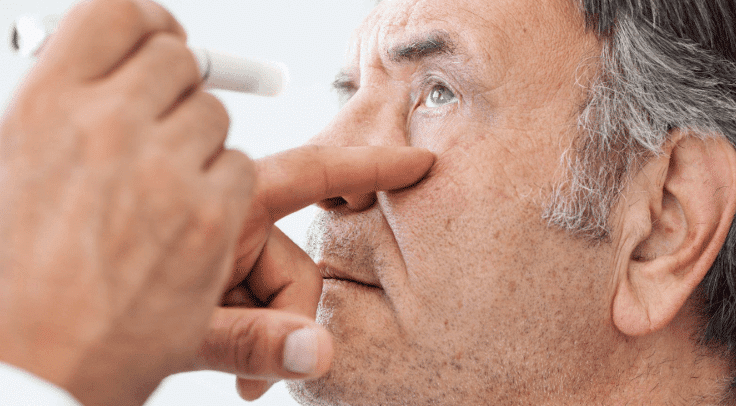
Did you know that one in six Americans age 65 and older lives with a vision impairment that cannot be corrected with glasses or contact lenses? While vision changes are a normal part of aging, many serious eye conditions develop without pain or early symptoms and if left untreated, they can lead to permanent vision loss. That’s why every September, the American Academy of Ophthalmology recognizes Healthy Aging Month, an opportunity to highlight the importance of eye health as we age and encourage adults to take proactive steps to protect their sight.
At Northwest Eye Surgeons, we’re passionate about helping you maintain clear, healthy vision for life. In this post, we’ll explain some of the most common age-related eye conditions, the signs to look out for, and the actions you can take to keep your eyes in top shape.
Why Vision Loss Often Goes Unnoticed
Many older adults delay or skip eye exams, especially if they’re not experiencing obvious symptoms. However, vision loss often develops gradually, making it harder to notice until it has already advanced. In some cases, the brain adapts to changes in sight, which can further mask the severity of the problem.
By the time vision changes interfere with daily activities like reading, driving, or recognizing faces, damage may already be significant. The good news? Early detection and treatment can preserve vision and even prevent further loss in many cases.
Common Age-Related Eye Diseases
As we age, we become more susceptible to a variety of eye conditions, including:
Cataracts
A clouding of the eye’s natural lens, cataracts can cause blurry or dim vision, glare, and difficulty seeing at night. Cataract surgery is one of the most common and successful procedures performed in Seattle, as well as in whole U.S.
Age-Related Macular Degeneration (AMD)
AMD affects the macula, the part of the retina responsible for sharp central vision. It can cause distorted or blurry vision and, in advanced cases, a central blind spot.
Glaucoma
Often called the “silent thief of sight,” glaucoma damages the optic nerve and typically has no symptoms until vision loss occurs. Routine eye exams are crucial for early detection.
Diabetic Retinopathy
People with diabetes are at increased risk for this condition, which damages the blood vessels in the retina and can lead to vision loss if not managed properly.
Dry Eye Syndrome
A common issue among older adults, dry eye can cause burning, redness, sensitivity to light, and a gritty sensation.
Signs and Symptoms to Watch For
It’s important to pay attention to any changes in your vision, especially as you get older. Schedule an eye exam if you notice:
- Blurry, hazy, or double vision
- Trouble seeing at night or in low light
- Increased sensitivity to glare
- Distorted or wavy lines
- Floaters or flashes of light
- Loss of peripheral (side) vision
- Frequent changes in glasses prescription
Even if you’re not experiencing any of these symptoms, routine eye exams are essential, especially after age 60.
Steps to Protect Your Vision as You Age
Healthy aging includes taking care of your eyes. Here’s how you can protect your sight:
Get regular comprehensive eye exams
Adults 65 and older should have a complete eye exam at least once a year, even if they aren’t experiencing vision problems.
Manage chronic conditions
Conditions like diabetes and high blood pressure can impact your eye health. Keep them under control with help from your primary care provider.
Quit smoking
Smoking increases the risk of cataracts, AMD, and other eye diseases. Quitting at any age has immediate health benefits.
Eat a balanced diet
Leafy greens, colorful fruits and vegetables, and foods rich in omega-3s support eye health.
Protect your eyes from UV rays
Wear sunglasses that block 100% of UVA and UVB rays whenever you’re outside.
Maintain an active lifestyle
Exercise improves circulation, which benefits your eyes and overall health.
Talk to your doctor about medications
Some medications can affect your vision. Always let your eye doctor know about the medications you’re taking.
We’re Here to Help You See Clearly for Life
At Northwest Eye Surgeons, we’re committed to supporting our patients at every stage of life. Our experienced ophthalmologists and optometrists provide advanced treatments for cataracts, glaucoma, macular degeneration, and more.