
Strabismus & Pediatrics Care at Northwest Eye Surgeons
Children’s eyes undergo critical development during their early years, making specialized pediatric eye care essential for detecting and treating vision problems before they impact your child’s learning and development. At Northwest Eye Surgeons, our pediatric ophthalmology team provides comprehensive care for strabismus, amblyopia, and other childhood eye conditions with the expertise and gentle approach your family deserves.
Strabismus in Children and Adults
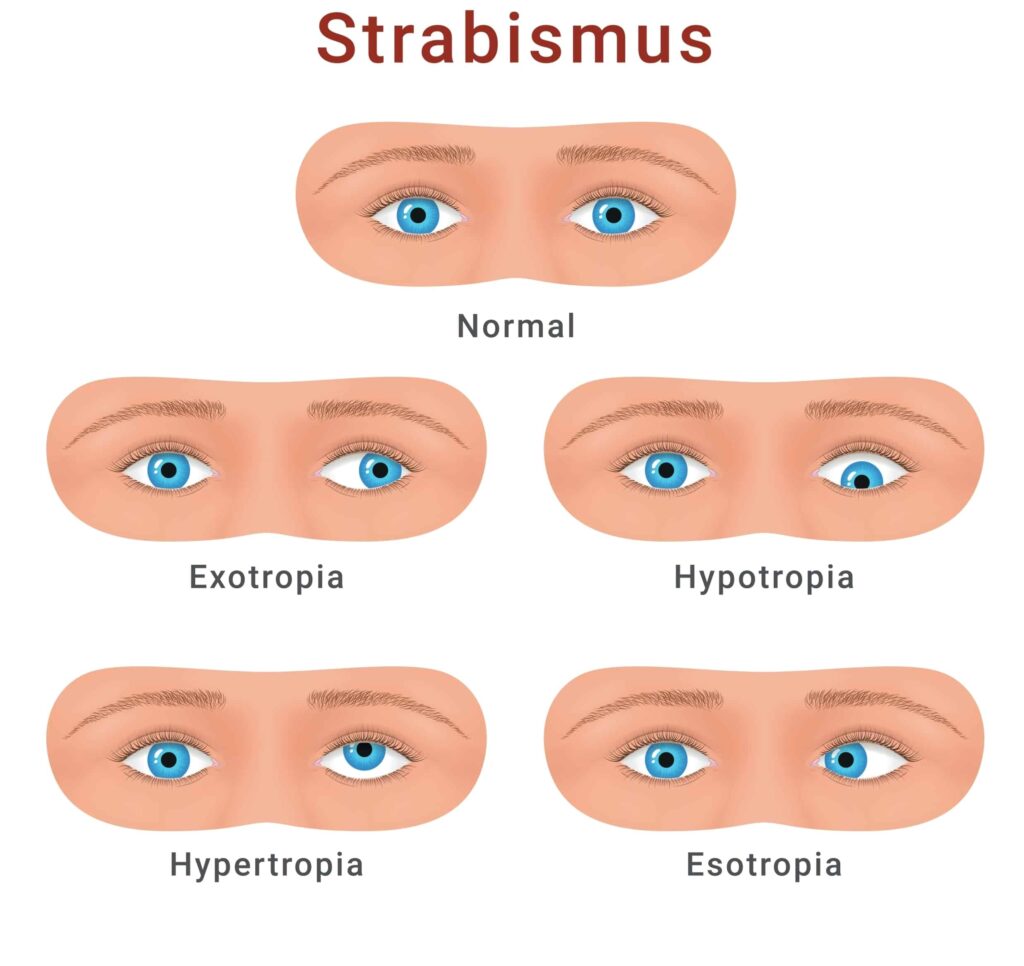
Strabismus refers to eyes that are misaligned and do not point in the same direction. This condition affects approximately 4% of children and can also develop in adults.
The misalignment may be constant or intermittent, affecting one or both eyes. There are several types of strabismus, including:
Esotropia
Esotropia occurs when one or both eyes turn inward, commonly referred to as “crossed eyes.” This is the most common type of strabismus in infants and young children.
Exotropia
Exotropia happens when eyes turn outward, sometimes referred to as “wall-eyed.” This condition often becomes more noticeable when children are tired or focusing on distant objects.
Hypertropia and Hypotropia
Hypertropia and hypotropia involve vertical misalignment, where one eye sits higher or lower than the other.
The Importance of Early Detection
Vision development occurs rapidly during childhood, with the most crucial period extending from birth to age seven. During this time, the brain learns to coordinate input from both eyes to create clear, three-dimensional vision.
When strabismus is present, the brain may begin to ignore signals from the misaligned eye to avoid double vision, leading to amblyopia, also known as “lazy eye.” Northwest Eye Surgeons emphasizes the importance of early intervention, as untreated strabismus can lead to permanent vision loss, reduced depth perception, and social challenges for children.
Our approach focuses on preserving and developing binocular vision whenever possible.
Meet Our Pediatric Ophthalmologist
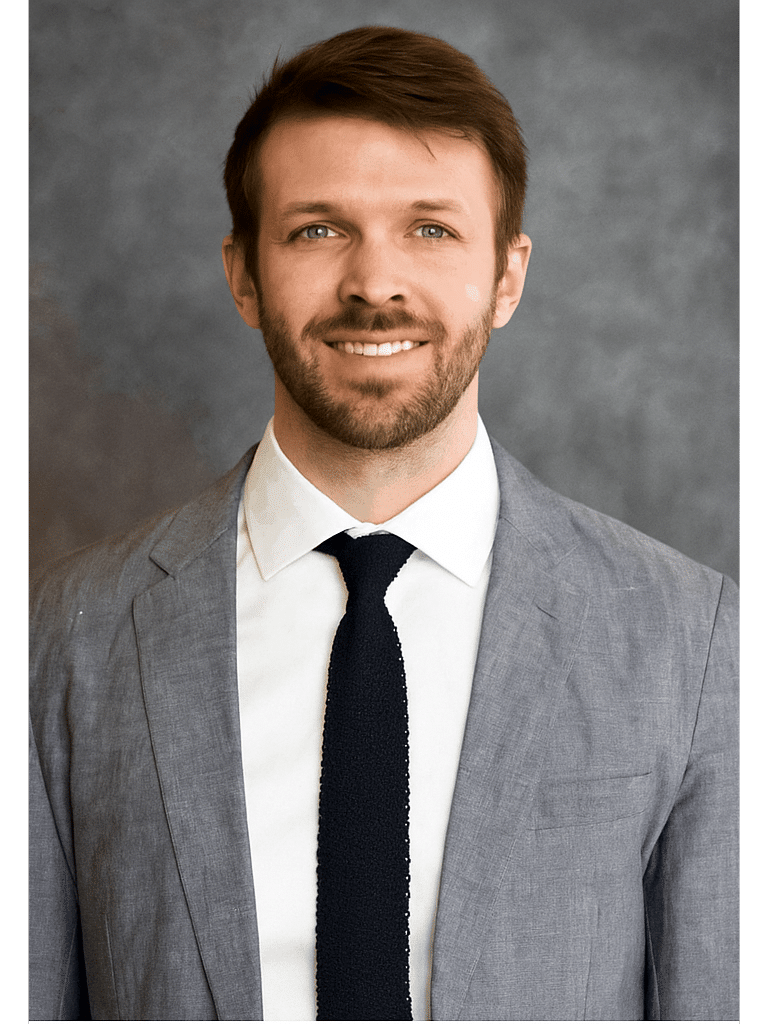
Dr. Ian Boydstun
Dr. Boydstun joined Northwest Eye Surgeons in 2025. He is a board-certified ophthalmologist specializing in comprehensive pediatric eye care and adult strabismus. He completed his ophthalmology residency through Michigan State University/Beaumont Health in Metro Detroit, Michigan, and fellowship training in pediatric ophthalmology and adult strabismus at Akron Children’s Hospital in Akron, Ohio.
Comprehensive Strabismus Treatment Options
Depending on the severity and type of strabismus patients have, Dr. Boydstun may recommend one or more treatment options, such as:
Recognizing Signs Your Child May Need Eye Care
Children aren’t always able to express or recognize issues with their vision. Parents should watch for these indicators that may suggest vision problems:
If you notice any of these common signs of vision problems in your child, schedule a pediatric eye exam to ensure they receive the care they need as soon as possible.
How Often Do Children Need Eye Exams?
Even if your child is not showing signs of vision problems, they should still undergo regular vision screenings. Guidelines for eye exam frequency are generally based on age:
Infants and Toddlers
Newborns should undergo basic eye health screenings to assess pupil responses and detect any apparent abnormalities. Children with family histories of eye problems or premature birth may need earlier comprehensive evaluations.
Preschool Years (Ages 3-5)
This critical period, when children are usually able to communicate what they can read off an eye chart, enables the testing of visual acuity and the detection of strabismus, amblyopia, and refractive errors, when treatment is most effective.
School-Age Children
Regular eye exams ensure that vision problems don’t interfere with learning and academic performance. We recommend annual evaluations for children with existing conditions and every two years for those without known issues.
Why Choose Northwest Eye Surgeons for Pediatric Eye Care
Our pediatric ophthalmology program combines Dr. Boydstun’s extensive experience with a child-friendly environment designed to reduce anxiety and promote cooperation during examinations and treatments. We understand that children require specialized approaches to eye care, including communication techniques and examination methods tailored to different developmental stages.
Schedule Your Child’s Eye Examination
Early detection and treatment of pediatric eye conditions can prevent lifelong vision problems and support your child’s academic and social development. Dr. Boydstun and the Northwest Eye Surgeons team are dedicated to delivering exceptional pediatric eye care, backed by the expertise your family deserves.
Contact Northwest Eye Surgeons today to schedule a comprehensive pediatric eye examination. Your child’s vision and eye health are our priorities, and we’re here to support their visual development every step of the way.