
Eyelid Surgery at Northwest Eye Surgeons
The delicate skin and muscles around your eyes play a crucial role in both your vision and appearance. When eyelid conditions affect your daily life, whether through impaired vision, discomfort, or cosmetic concerns, the skilled surgeons at Northwest Eye Surgeons are here to help restore both function and confidence through advanced eyelid surgery techniques.
What is Eyelid Surgery?
Eyelid surgery encompasses various procedures designed to address both functional and aesthetic concerns affecting the upper and lower eyelids. These surgical procedures can resolve conditions ranging from drooping eyelids that impact the field or quality of your vision to excess skin that creates a tired appearance.
Most eyelid surgeries are performed as outpatient procedures using local anesthesia, allowing you to return home the same day. Our experienced surgeons treat a comprehensive range of eyelid conditions, including ptosis (drooping eyelids), excess skin and fat deposits, and chalazion.
Blepharoplasty
Blepharoplasty is a transformative procedure that addresses the natural aging process around the eyes. As you age, the delicate eyelid skin stretches, underlying muscles weaken, and protective fat deposits begin to bulge, creating a puffy or saggy appearance that can make you look tired or older than you feel.
During the blepharoplasty procedure, an ophthalmologist removes excess eyelid tissue, including skin, muscle, and fat, from either the upper eyelids, lower eyelids, or both. While many patients choose blepharoplasty for cosmetic enhancement, the procedure also serves important functional purposes for some patients.
When excess upper eyelid tissue obstructs your visual field or weighs down the eyelid, blepharoplasty can significantly improve vision and may be covered by insurance.
What Happens During the Blepharoplasty Procedure?
Our outpatient blepharoplasty procedure typically takes 1-1.5 hours. For upper lids, incisions are carefully placed within the natural eyelid crease, while lower lid incisions are made just below the lash line.
We utilize advanced laser technology that seals delicate eye tissue as the incision is being made, significantly reducing bleeding and bruising while improving healing time. This laser technique is particularly beneficial for patients taking blood-thinning medications or aspirin therapy.
Following surgery, some swelling, bruising, and temporary blurred vision are normal. Sutures are typically removed three to five days post-surgery, though transconjunctival procedures use self-dissolving sutures that require no removal.
While fat pocket puffiness may not return, normal aging and wrinkling will continue over time.

Ptosis Repair
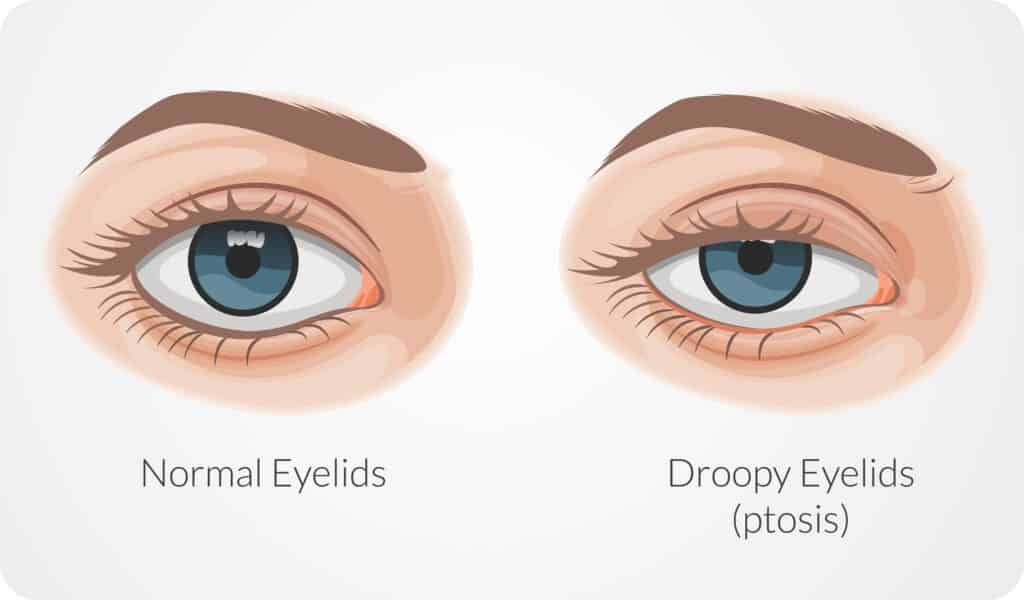
Ptosis, or drooping of the upper eyelid, can range from a slight droop to complete coverage of the pupil. This condition can significantly restrict or even block normal vision, making surgical intervention necessary for both functional and cosmetic reasons.
While blepharoplasty removes surplus tissue that creates a tired or aged appearance, ptosis may require a different procedure to fully correct. This is because ptosis involves weakness or dysfunction of the levator muscle responsible for lifting the eyelid itself.
Congenital ptosis, present from birth, requires prompt attention to ensure normal visual development. Left untreated, it can lead to amblyopia (lazy eye) and permanently compromised vision.
Adult ptosis commonly results from age-related separation of the levator muscle from the eyelid, though it can also occur following cataract surgery, injury, or as a complication of other medical conditions.
What Happens During the Ptosis Repair Procedure?
Ptosis repair typically involves tightening the levator muscle, which is responsible for lifting the eyelid. In severe cases where the levator muscle is extremely weak, we may suspend the eyelid from under the eyebrow, allowing the forehead muscles to assist with lifting.
The surgical approach depends on the severity of the condition. Mild cases may require only a small tuck in the levator muscle and eyelid, while more severe ptosis necessitates reattachment and strengthening of the levator muscle.
How Do I Know if I Need Eyelid Surgery?
Several signs may indicate that eyelid surgery could benefit you. You may notice your upper eyelids drooping into your field of vision, difficulty keeping your eyes open, or frequent eyebrow raising to lift heavy eyelids.
On the other hand, you might be concerned about the cosmetic appearance of drooping eyelids. If you have excess skin creating a tired appearance, under-eye bags, or asymmetrical eyelids, eyelid surgery may be something worth considering.
The best way to determine if you’re a candidate for eyelid surgery is through a comprehensive consultation with our experienced surgeons. Your eye doctor will evaluate your specific concerns, discuss your goals, and recommend the most appropriate treatment approach for your unique situation.

What is Recovery Like After Eyelid Surgery?
Recovery varies depending on the specific procedure performed, but most patients experience some common healing phases. Initially, you may notice bruising, which typically resolves quickly.
Some patients experience difficulty closing their eyelids completely, leading to temporary dryness and irritation that improves as healing progresses. Your surgeon will provide detailed post-operative care instructions to optimize your healing and results.
Most patients can return to normal activities within a week, though complete healing may take several weeks. Follow-up appointments ensure proper healing and address any concerns during your recovery period.
Chalazion Treatment
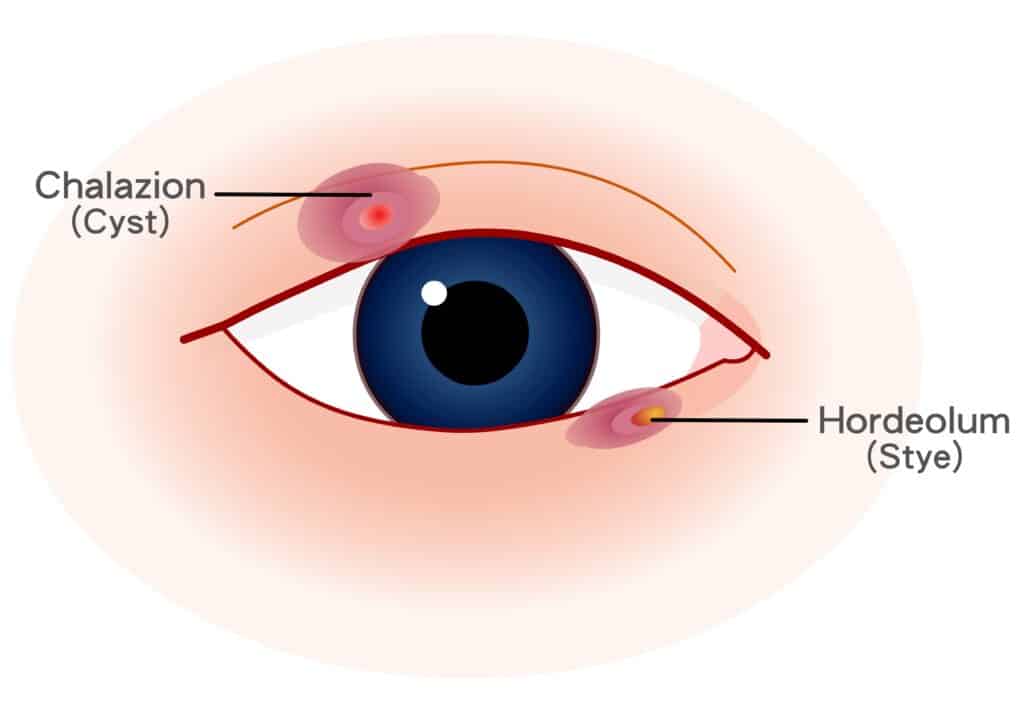
A chalazion is a swelling in the eyelid caused by chronic blockage and inflammation of the small oil-producing glands located in both upper and lower eyelids. Often confused with a stye, chalazions typically appear farther from the eyelid edge and tend to “point” toward the inside of the eyelid.
Small, asymptomatic chalazions may resolve on their own, while larger ones can cause blurred vision or significant eyelid swelling. We offer several effective treatment approaches, beginning with conservative methods and progressing to surgical intervention when necessary.
Our first-line treatment involves warm compresses applied for 10 minutes, three to four times daily. Using a clean washcloth soaked in hot water and repeatedly reheated maintains an adequate temperature for optimal results.
For chalazions that don’t respond to conservative treatment, surgical removal may be necessary. This minor procedure is typically performed in our office and effectively resolves persistent cases. Some patients are prone to recurrence, and if a chalazion returns in the same location, we may recommend a biopsy to rule out other conditions.
Restore Your Vision and Confidence
At Northwest Eye Surgeons, we understand that eyelid concerns affect more than just your appearance. They impact your vision, comfort, and quality of life. Our experienced surgical team combines advanced techniques with personalized care to deliver results that exceed your expectations.
Ready to learn more about how eyelid surgery can benefit you? Schedule a consultation at Northwest Eye Surgeons today. Our skilled surgeons will evaluate your specific needs and recommend the most appropriate treatment approach to restore both function and confidence.